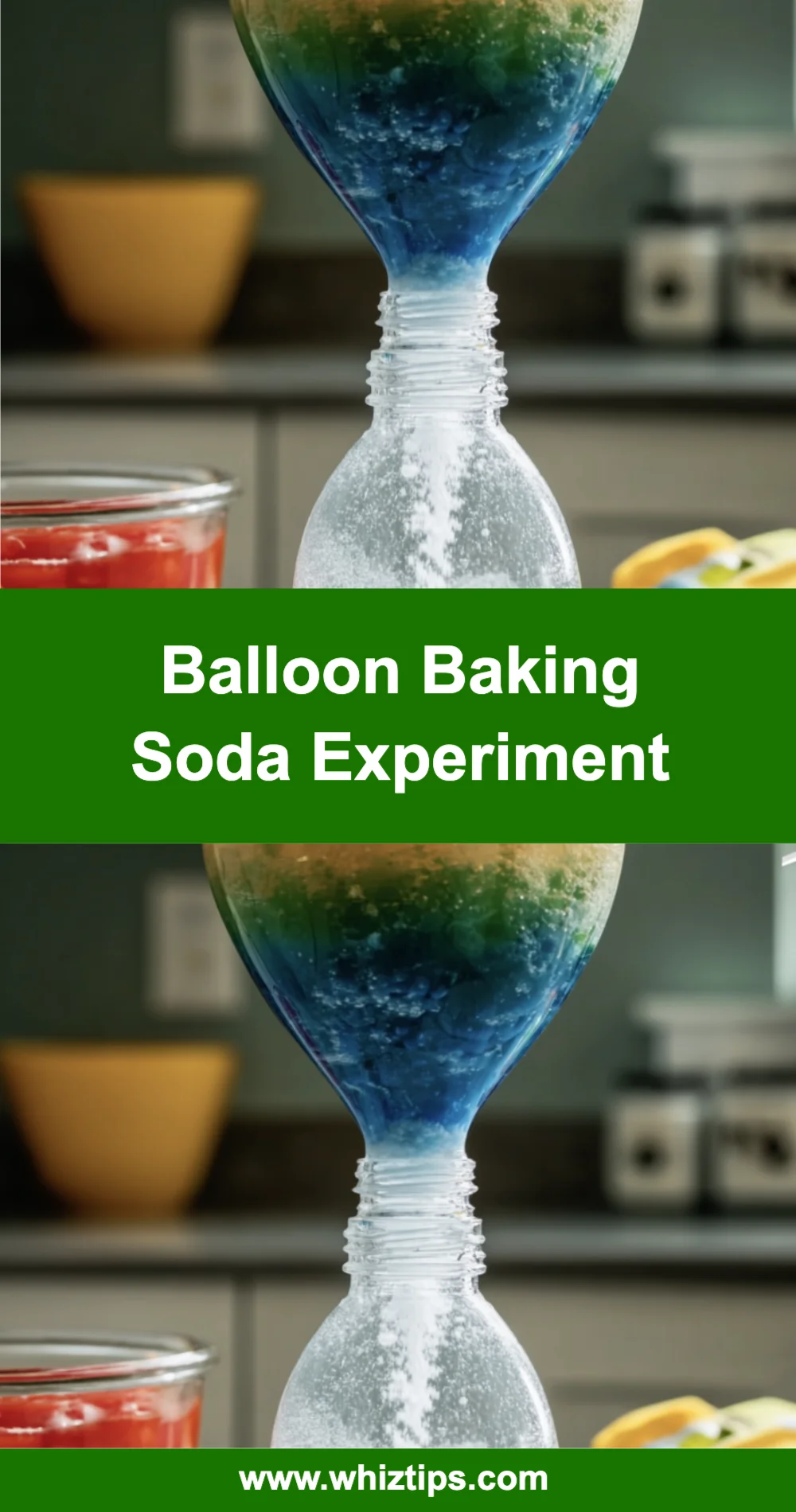
The Balloon Baking Soda Experiment is a captivating demonstration of chemical reactions, combining baking soda and vinegar to create an exciting visual effect. This simple yet intriguing experiment is perfect for young scientists and anyone curious about the wonders of chemistry.
| Prep Time | Cook Time | Total Time | Servings | Difficulty | Cuisine |
|---|---|---|---|---|---|
| 5 minutes | 1 minute | 6 minutes | 1 | Easy | Science Experiment |
Why This Recipe Works
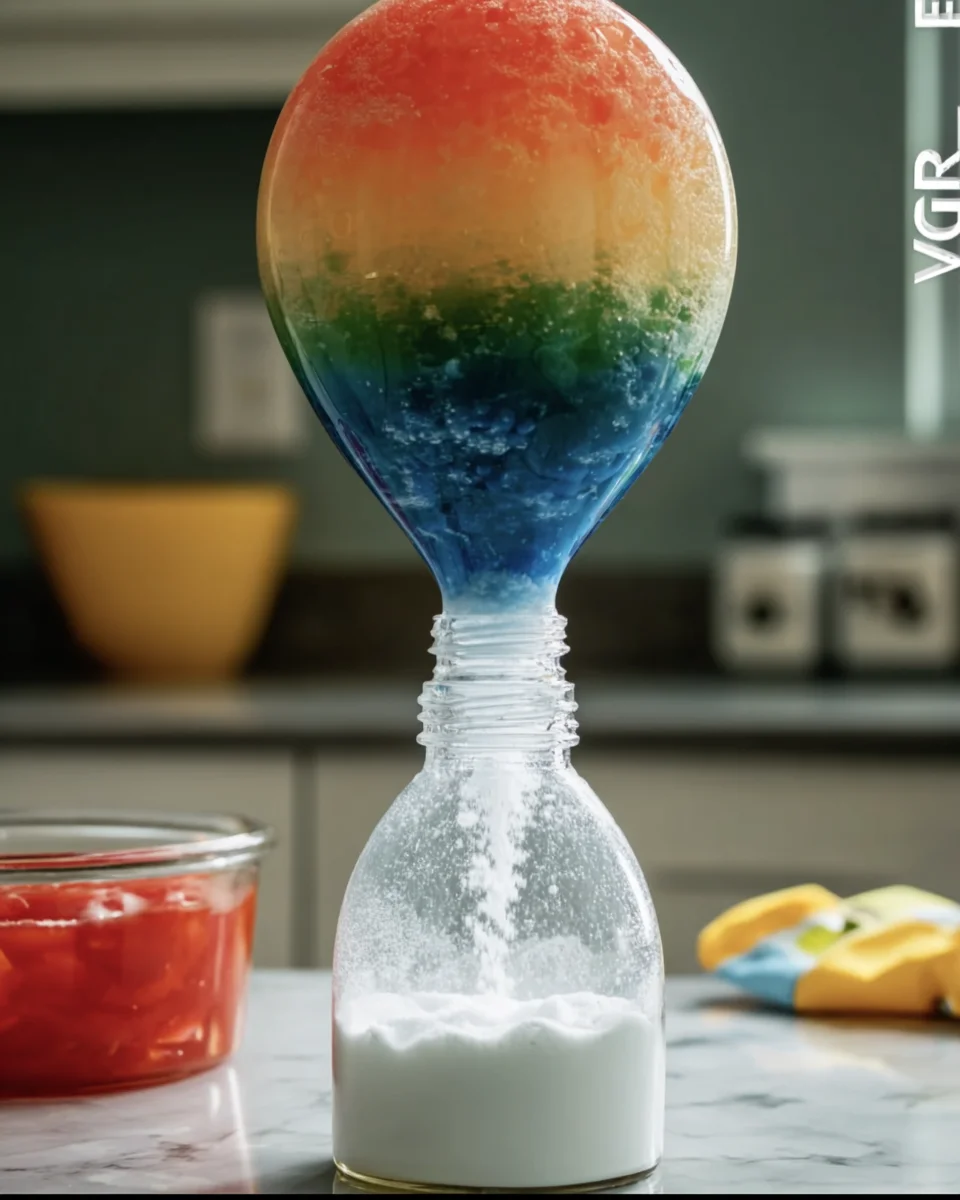
The Balloon Baking Soda Experiment works due to a chemical reaction between baking soda and vinegar. When these two substances mix, they produce carbon dioxide gas, which inflates the balloon. I remember the first time I conducted this experiment with children; their faces lit up as they watched the balloon expand. It’s a perfect blend of education and entertainment.
This experiment not only demonstrates basic scientific principles but also encourages curiosity and hands-on learning. The visual spectacle of the balloon inflating captures attention and sparks questions about gas, reactions, and even pressure. It’s a fantastic way to introduce scientific concepts in a fun, engaging manner.
Ingredients
| Ingredient | Quantity | Notes |
|---|---|---|
| Balloon | 1 | Any standard balloon will work. |
| Baking Soda | 1/4 cup | Common household item; can substitute with cornstarch for a different experiment. |
| Funnel | 1 | Helps to pour baking soda into the balloon easily. |
| Bottle (empty plastic soda bottle) | 1 | Any empty plastic bottle will suffice. |
| Vinegar | 1/2 cup | White vinegar works best; avoid using flavored varieties. |
| Food Coloring | Optional | Adds visual appeal to the experiment. |
Step-by-Step Instructions
-
Prepare the Balloon
Using the funnel, carefully pour the baking soda into the balloon. If you don’t have a funnel, roll a piece of paper into a cone shape to guide the baking soda into the balloon.
-
Prepare the Bottle
In the empty plastic soda bottle, pour in the vinegar. For added fun, mix in a few drops of food coloring to give your experiment some vibrant color.
-
Attach the Balloon
Carefully stretch the opening of the balloon over the top of the bottle without letting the baking soda fall into the vinegar yet.
-
Make It Bubble
Once the balloon is securely attached to the bottle, lift the balloon and let the baking soda fall into the vinegar. Watch as the reaction occurs!
-
Observe the Reaction
The baking soda will react with the vinegar, creating carbon dioxide gas, which will inflate the balloon. Observe how the balloon expands and the fizzing reaction.
-
Cleanup
Once you’ve finished your experiment, carefully remove the balloon from the bottle and dispose of the contents safely.
Chef Tips for Perfect Results
- Ensure the balloon is securely attached to prevent spills during the reaction.
- Use a clear plastic bottle for better visibility of the reaction.
- Experiment with different amounts of baking soda and vinegar for varied reactions.
- Consider using colored vinegar for a more visually striking experiment.
- Conduct the experiment outdoors or in an area that can be easily cleaned.
Common Mistakes to Avoid
- Not securing the balloon properly can lead to a mess. Always ensure a tight fit.
- Pouring too much baking soda or vinegar may cause overflow. Measure carefully.
- Using a balloon that is too small may not allow for significant inflation. Choose a standard-sized balloon.
- Forgetting to add food coloring can make the experiment less visually appealing if desired.
Variations and Substitutions
| Ingredient | Substitution | Impact on Flavor |
|---|---|---|
| Baking Soda | Cornstarch | Different reaction properties; no gas produced. |
| Vinegar | Citric Acid Solution | Similar reaction, but less vigorous. |
Serving Suggestions and Pairings
This experiment is excellent for classroom demonstrations, birthday parties, or family science nights. Pair it with other simple science experiments such as the “Mentos and Diet Coke” reaction or homemade volcanoes for a complete science fair experience.
Storage and Reheating
| Method | Duration | Instructions |
|---|---|---|
| Not applicable | — | This experiment is for immediate use and should not be stored. |
Nutritional Information
| Nutrient | Amount per Serving |
|---|---|
| Baking Soda | 0 calories |
| Vinegar | 0 calories |
Frequently Asked Questions
Can I substitute baking soda for baking powder?
No, baking soda and baking powder are not interchangeable. Baking powder contains baking soda but also includes an acid and works differently in chemical reactions.
What should I do if the balloon doesn’t inflate?
If the balloon doesn’t inflate, check if the baking soda is stuck in the balloon. Gently shake it or try using a larger balloon for a better fit.
Can this experiment be done indoors?
Yes, but it’s best to conduct it in an area that can be easily cleaned, as the reaction can sometimes lead to spills.
How can I make this experiment more exciting?
You can add glitter or small pieces of confetti to the vinegar for a more festive look as the balloon inflates.
Is this experiment safe for children?
Yes, the ingredients are non-toxic and safe for children. However, adult supervision is recommended to guide them through the process.
In conclusion, the Balloon Baking Soda Experiment is an effective way to engage curiosity and teach fundamental scientific principles. The excitement of watching the balloon inflate makes it an unforgettable experience for all ages. For more delicious recipes, check out the delightful Twix Cookie Cups or the satisfying Self-Saucing Butterscotch Pudding for treats you will love!
Balloon Baking Soda Experiment
Ingredients
Equipment
Method
- Step 1: Using the funnel, carefully pour the baking soda into the balloon. If you don't have a funnel, roll a piece of paper into a cone shape to guide the baking soda into the balloon.
- Step 2: In the empty plastic soda bottle, pour in the vinegar. For added fun, mix in a few drops of food coloring to give your experiment some vibrant color.
- Step 3: Carefully stretch the opening of the balloon over the top of the bottle without letting the baking soda fall into the vinegar yet.
- Step 4: Once the balloon is securely attached to the bottle, lift the balloon and let the baking soda fall into the vinegar. Watch as the reaction occurs!
- Step 5: The baking soda will react with the vinegar, creating carbon dioxide gas, which will inflate the balloon. Observe how the balloon expands and the fizzing reaction.
- Step 6: Once you've finished your experiment, carefully remove the balloon from the bottle and dispose of the contents safely.
Notes