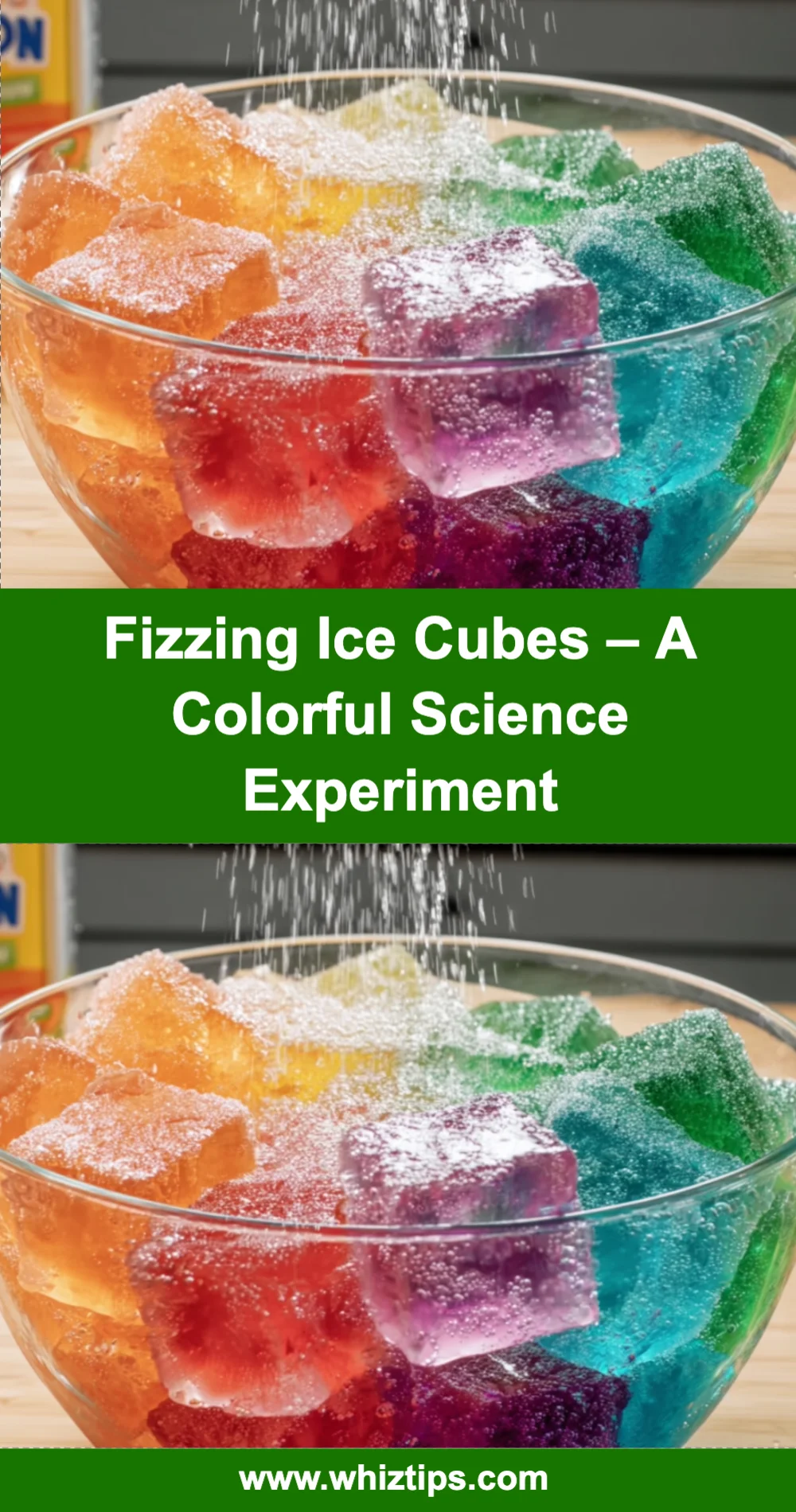
Fizzing ice cubes are a captivating science experiment that combines fun and education. This engaging project demonstrates a colorful chemical reaction using simple household ingredients, perfect for kids and adults alike.
| Prep Time | Cook Time | Total Time | Servings | Difficulty | Cuisine |
|---|---|---|---|---|---|
| 10 minutes | 0 minutes | 4-6 hours (freezing) | Varies | Easy | American |
Why This Recipe Works
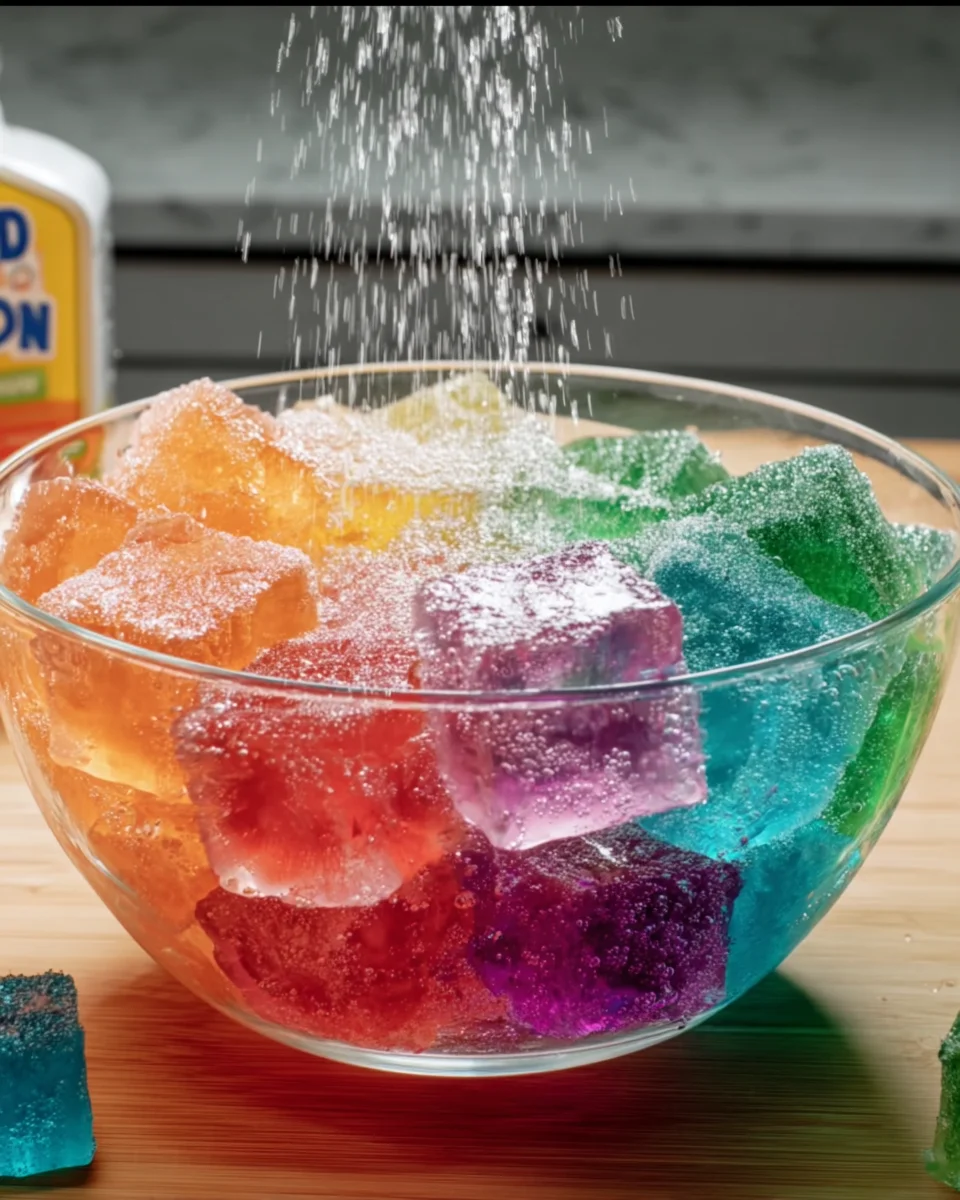
This experiment showcases the fascinating reaction between baking soda and vinegar, producing carbon dioxide gas and fizzing bubbles. I found it particularly rewarding to watch the vibrant colors swirl together as the reaction occurs. The use of food coloring adds an artistic element, making science visually appealing.
The educational aspect of this experiment cannot be overstated. It allows participants to learn about chemical reactions in an interactive way. Observing how the ice cubes melt and react with vinegar teaches about states of matter and chemical processes, making it an excellent hands-on learning experience.
Ingredients
| Ingredient | Quantity | Notes |
|---|---|---|
| Baking soda | 1 cup | Common household item |
| Water | 1/2 cup | Room temperature preferred |
| Food coloring | Various colors | Choose your favorite shades |
| Vinegar | As needed | Regular white vinegar works best |
| Ice cube tray | 1 | A standard tray will suffice |
| Small bowls or cups | 2-3 | For mixing colors |
Step-by-Step Instructions
-
Prepare the Baking Soda Mixture
Combine the baking soda and water in a mixing bowl. Stir until the baking soda is fully dissolved.
-
Add Food Coloring
Divide the baking soda mixture into small bowls or cups. Add a few drops of different food coloring to each bowl and mix well to create colorful mixtures.
-
Fill the Ice Cube Tray
Carefully pour the colored baking soda mixtures into the ice cube tray, filling each compartment about three-quarters full.
-
Freeze
Place the ice cube tray in the freezer and let it freeze for at least 4-6 hours, or until solid.
-
Prepare for the Fizz
Once the ice cubes are frozen, remove them from the tray and place them in a large bowl or shallow dish.
-
Add Vinegar
Pour vinegar over the ice cubes and watch the fizzing reaction as the baking soda reacts with the vinegar. Enjoy the colorful eruption!
Chef Tips for Perfect Results
- Use a sturdy ice cube tray to prevent spills when filling it with the colored mixtures.
- Experiment with the amount of food coloring for different vibrancy levels.
- Let the ice cubes sit for a few minutes at room temperature before adding vinegar to enhance fizzing.
- Try different types of vinegar like apple cider or balsamic for unique reactions.
Common Mistakes to Avoid
- Not mixing the baking soda and water thoroughly. This can result in uneven freezing and fizzing.
- Overfilling the ice cube tray. Leave space for expansion as the mixture freezes.
- Using old, stale vinegar. Ensure your vinegar is fresh for optimal fizzing results.
- Using too little food coloring. Experiment to find the right amount for vibrant colors.
Variations and Substitutions
| Ingredient | Substitution | Impact on Flavor |
|---|---|---|
| Baking soda | Washing soda | Similar reaction, but stronger. |
| Vinegar | Citrus juice | Different smell and flavor, less fizz. |
| Food coloring | Naturally derived colors (beet juice, turmeric) | Natural colors may vary in vibrancy. |
Serving Suggestions and Pairings
These fizzing ice cubes are perfect for science-themed parties, summer gatherings, or educational workshops. Pair them with fun drinks or serve them alongside other creative experiments, like homemade volcanoes or simple chemical reactions. They also make great interactive activities during family game nights or birthday parties.
Storage and Reheating
| Method | Duration | Instructions |
|---|---|---|
| Freezing | Up to 1 month | Store unused ice cubes in an airtight container in the freezer. |
| Room temperature | 1-2 hours | Let ice cubes sit before adding vinegar for best results. |
Nutritional Information
| Nutrient | Amount per Serving |
|---|---|
| Calories | 0 |
| Total Fat | 0g |
| Sodium | 0mg |
| Total Carbohydrates | 0g |
| Sugars | 0g |
| Protein | 0g |
Frequently Asked Questions
Can I substitute baking soda with another ingredient?
Yes, you can use washing soda, but it may create a stronger reaction. Ensure to handle it with care as it is more potent than baking soda.
What if my ice cubes don’t fizz?
If the ice cubes do not fizz, check the freshness of your vinegar. Stale vinegar may not produce the desired reaction. Fresh vinegar is essential for the fizzing effect.
How can I make these ice cubes ahead of time?
You can prepare the ice cubes and store them in the freezer for up to a month. Just remember to keep them in an airtight container to prevent freezer burn.
Are these ice cubes safe for consumption?
No, these fizzing ice cubes are a science experiment and are not meant for consumption due to the baking soda and vinegar mixture.
What can I use instead of food coloring?
You can use naturally derived colors like beet juice or turmeric. However, be aware that natural colors may not produce as vibrant hues as commercial food coloring.
Fizzing ice cubes create a colorful and educational experience that is enjoyable for all ages. This science experiment not only entertains but also teaches essential concepts about chemical reactions. For more delicious recipes, check out decadent self-saucing butterscotch pudding or delightful Easter meringue cookies for treats you will love!
Fizzing Ice Cubes
Ingredients
Equipment
Method
- Step 1: Combine the baking soda and water in a mixing bowl. Stir until the baking soda is fully dissolved.
- Step 2: Divide the baking soda mixture into small bowls or cups. Add a few drops of different food coloring to each bowl and mix well to create colorful mixtures.
- Step 3: Carefully pour the colored baking soda mixtures into the ice cube tray, filling each compartment about three-quarters full.
- Step 4: Place the ice cube tray in the freezer and let it freeze for at least 4-6 hours, or until solid.
- Step 5: Once the ice cubes are frozen, remove them from the tray and place them in a large bowl or shallow dish.
- Step 6: Pour vinegar over the ice cubes and watch the fizzing reaction as the baking soda reacts with the vinegar. Enjoy the colorful eruption!
Notes